New OSHA rulemaking covering ergonomic hazards, heat illness prevention, and chemical exposure limits will affect the majority of industrial facilities. Compliance timelines are shorter than most operations teams realise.

Key Takeaways
A survey conducted by the National Safety Council in early 2026 found that 68% of industrial facilities were unaware of at least one pending OSHA rule change requiring operational modifications within 18 months. That number is not a measurement of negligence; it is a measurement of bandwidth. EHS teams at most mid-size facilities are already managing hundreds of existing standards. What they are not doing, at sufficient scale, is tracking the regulatory pipeline with the same rigour applied to production targets or capital budgets.
OSHA's current rulemaking agenda includes three standards with the potential to affect the majority of industrial employers. The ergonomics rule, which has been in development since 2023, would establish the first enforceable ergonomic hazard standards since the original rule was repealed by Congress in 2001. The proposed standard focuses on musculoskeletal disorder risk in high-exposure job classifications, including manual material handling, repetitive motion tasks, and sustained awkward postures. Warehousing, grocery distribution, poultry processing, and package delivery operations face the broadest initial scope, but the rule's applicability criteria are written broadly enough to reach most manufacturing and assembly environments.
The heat illness prevention rule targets both indoor and outdoor workplaces and would establish mandatory heat index action thresholds, required rest periods, access to drinking water, and acclimatisation protocols for new or returning workers. Unlike the ergonomics rule, heat illness prevention applies with equal force across sectors, from agriculture and construction to foundries and large-format printing operations. The proposed standard also includes recordkeeping requirements that would create a documented audit trail for inspectors. The chemical exposure limit updates, covering 29 substances currently regulated under decades-old permissible exposure limits, would force immediate changes at chemical manufacturers, plastics processors, and facilities using industrial cleaning or coating operations.
The enforcement timeline matters as much as the substance of the rules. OSHA typically provides a phased compliance schedule after a final rule publishes, but the agency has signalled that it intends to compress transition periods for facilities that have had advance notice through the proposed rulemaking process. That means the clock for some obligations may start earlier than most EHS teams anticipate.
No single sector escapes all three rulemakings, but some carry compounding exposure. Food processing and beverage manufacturing face ergonomic risk from repetitive line work, heat risk from cooking and pasteurisation environments, and chemical exposure risk from sanitation compounds. Warehousing and fulfilment operations face ergonomic risk from high-volume manual handling and heat risk in facilities without climate control. Chemical manufacturers and plastics processors face exposure limit updates affecting core production processes, not peripheral activities.
Construction sits in a different but equally exposed position. Heat illness prevention will apply to outdoor worksites with binding force for the first time, and ergonomic standards will eventually reach demolition and heavy framing tasks. For construction contractors managing multiple worksites across varied conditions, the administrative burden of documentation and training compliance may exceed the physical remediation costs by a significant margin.
"The facilities we see struggling are not the ones that lack resources; they are the ones that treated these proposed rules as hypothetical until publication day. By then, the capital budget cycle has already closed and the training calendar is already full. Preparation has to start during the comment period, not after the ink dries."
Sandra Okafor, Director of EHS Compliance, Meridian Industrial Group
Facilities that have used the proposed rulemaking period productively share a recognisable pattern of behaviour. They began with a structured gap assessment, mapping current conditions in high-risk job classifications against the proposed rule language. This step alone frequently surfaces compliance gaps that pre-date the pending rules and that carry existing citation risk. The assessment also generates a defensible record of good-faith effort, which has documented value in mitigating penalties when violations are found during inspections after a final rule takes effect.
The second step for high-performing facilities was integrating the pending standards into capital planning. Ergonomic retrofits, cooling system upgrades, and ventilation improvements required by updated chemical exposure limits are all capital expenditures. Organisations that identified these requirements 18 to 24 months before enforcement began were able to include them in approved capital cycles. Those that waited until final publication faced the choice of emergency spending at premium cost or requesting compliance extensions that carry their own reputational and legal risks.
The cost difference is substantial. Analysis from the American Industrial Hygiene Association found that proactive compliance typically costs 40 to 60 cents per dollar of reactive compliance when both are measured as total cost including penalties, productivity loss during retrofits, overtime for accelerated training, and legal fees. The ergonomics rule alone is projected to generate average remediation costs of $85,000 per affected facility for organisations that begin work after publication. Early movers are reporting costs 30 to 40% below that figure.
The facilities with the strongest compliance posture going into this period are not those with the largest EHS teams. They are the ones that treat regulatory intelligence as an operational input, not an administrative afterthought. Tracking OSHA's Unified Regulatory Agenda, attending pre-publication comment hearings, and engaging with industry associations during the comment period are low-cost activities that produce high-value lead time. For most operations teams, the constraint is not access to information; it is the internal prioritisation required to act on it before the urgency becomes unavoidable.


Guide
How a contractor's safety maturity level predicts performance outcomes and what it means for the way organizations should evaluate and tier their supply chains ahead of tighter regulatory standards.
Download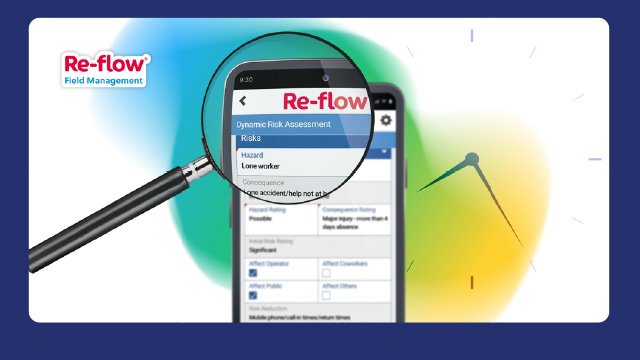

Guide
How digital field management tools create a continuous record of field activity that keeps operations ready for safety audits and regulatory reviews at any time.
Download

Checklist
A seven-point checklist for evaluating connected workforce platforms, covering the capabilities that support compliance documentation and frontline safety communication at scale.
Download

More articles coming soon
Subscribe to get every new article delivered straight to your inbox.
Subscribe →